05
Merit Circle
Client
Client
Merit Cirle & DEPT
Merit Cirle & DEPT
Type
Type
UX Design
UX Design
,
,
Wireframing
Wireframing
Year
Year
2025
2025
Subject
Subject
Architecting a One-Stop Hub for the Future of Web3 Gaming
Architecting a One-Stop Hub for the Future of Web3 Gaming
the challenge
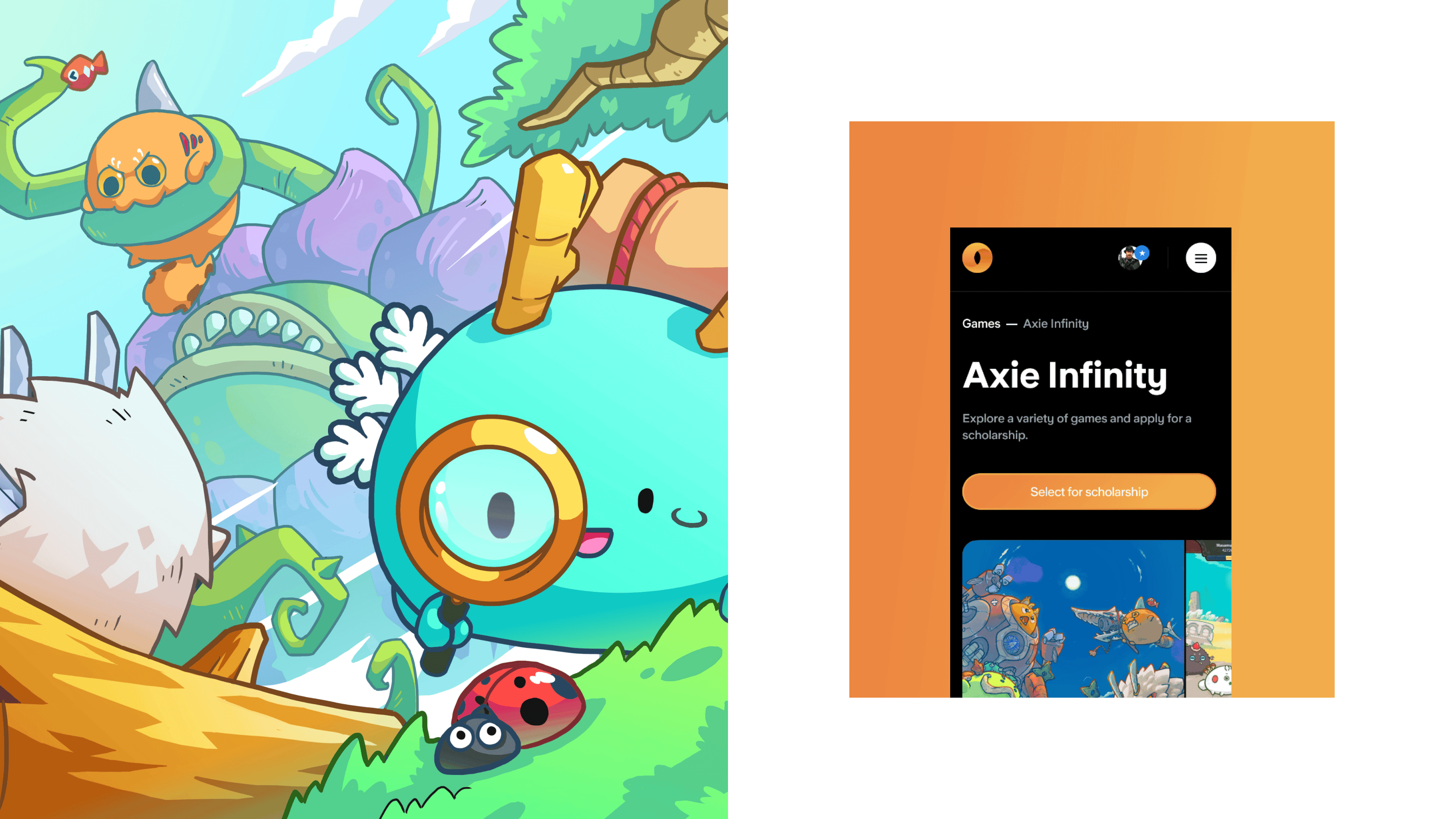
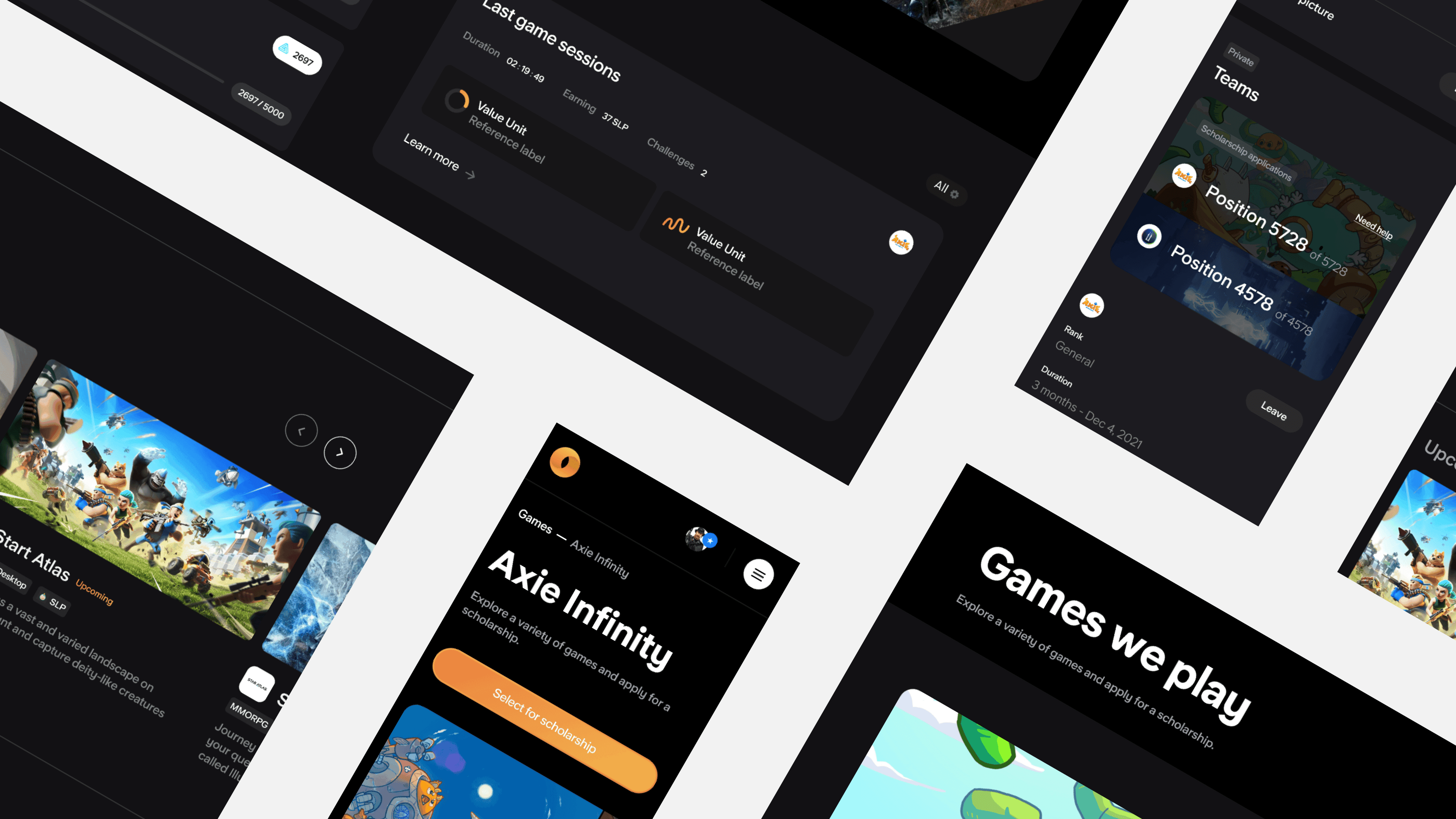
As Web3 gaming exploded, a massive gap emerged between expensive NFT assets and the gamers who wanted to use them. I partnered with Merit Circle to reinvent how gamers access these "scholarships." The goal was to transform a complex financial transaction into a seamless community experience.
the insight
The platform was becoming "technologically incompatible" with the needs of modern makers. Our research revealed a disconnect: while the content was valuable, the "legacy platform" prevented intuitive interaction on mobile devices and newer screens.
To reach a new target demographic, we couldn't just patch the UI; we had to "reinvent" the visual language and create a responsive experience that felt native to the next generation of creators.
the insight
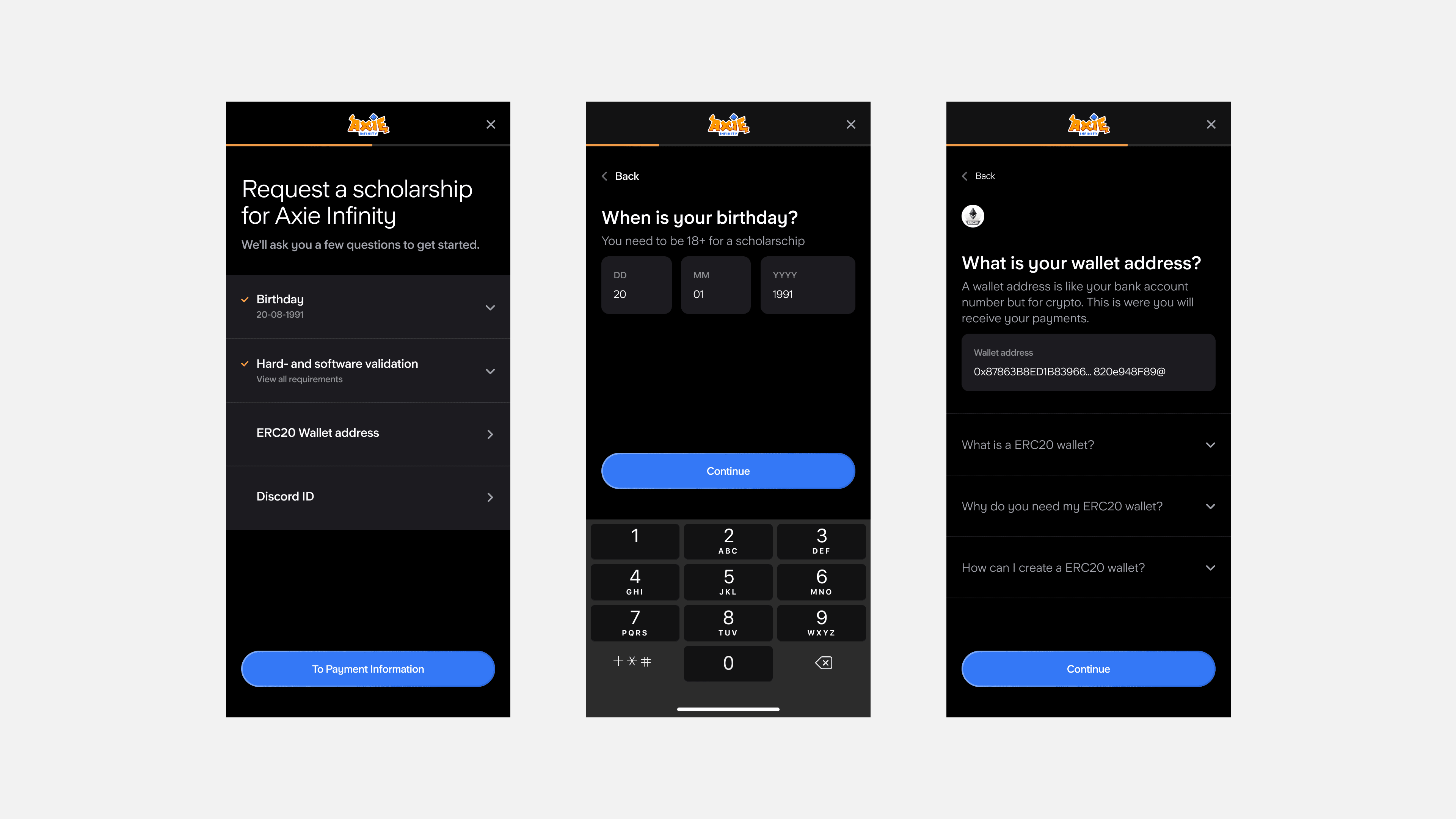
Through deep immersion in Discord channels and interviews with global gamers, we found an "uncomfortable truth": the technical barriers of hardware requirements and ID verification (Onfido) were alienating the very "digital-native" users the platform needed.
the solution
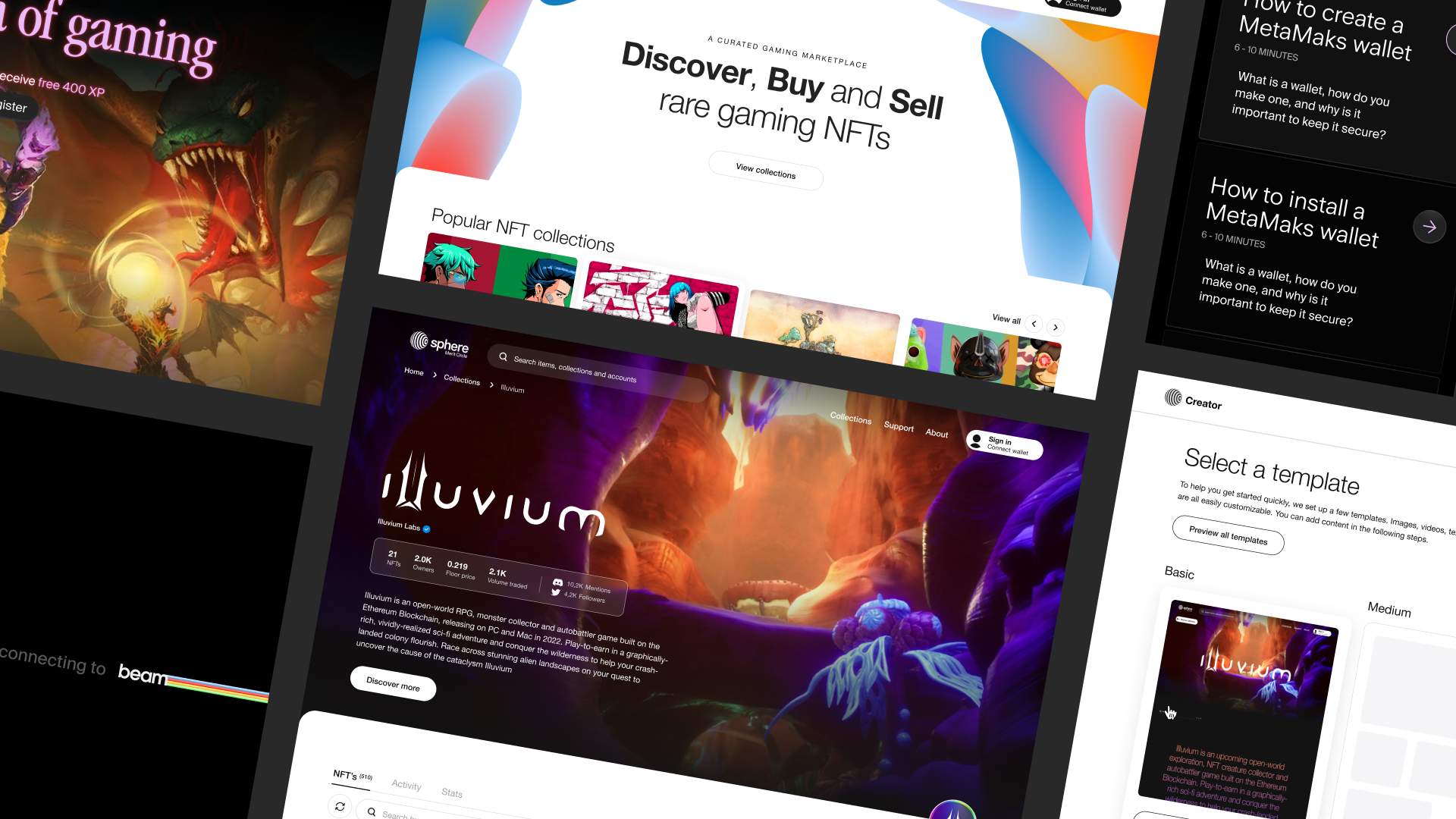
Lowering the Barrier: We streamlined the scholarship application flow, integrating complex tools like Onfido into a "human-centered" interface that reduced user friction. The Gaming Ecosystem: We moved beyond a simple application site to build a modular "Omnichannel" home where users can launch games, watch streams, and manage assets in one place. Stakeholder Synergy: I acted as the bridge between in-house PMs, Visual Designers, and the Merit Circle PO to ensure the product was both technologically feasible and brand-aligned.
the impact
A Unified Vision: Delivered a comprehensive "Modular design system" that allowed the platform to scale and eventually evolve into Onbeam. Cultural Relevance: Successfully created a "passenger experience" for gamers that treated them as a community rather than just scholarship applicants.
the solution
01. Extending the System (The Node): I branched and extended the core Ultimaker software products design system to establish the specific "Thingiverse Node." This wasn't just a visual update; it was a "scalable brand toolkit" that ensured the platform shared DNA with the parent ecosystem while maintaining its own unique identity.
02. Responsive Experience Overhaul: I designed and refined critical "human-centered" flows including Search, Ecommerce, Login, and the complex SCAD customizer. By focusing on a "build-first approach", we transitioned these features to be fully responsive, ensuring a seamless experience across all devices.
03. Visual Rebirth & Community Workbench: To appeal to a new demographic, I completed a total rebranding, defining a fresh "visual language" and asset library.
Crucially, we "partnered with" the community by launching "Thingiverse Workbench." Using tools like Figma Make, we created an "immersive environment" for rapid testing and feedback, allowing users to validate features before full deployment.
the impact
A Unified Vision: Delivered a comprehensive "Modular design system" that allowed the platform to scale and eventually evolve into Onbeam. Cultural Relevance: Successfully created a "passenger experience" for gamers that treated them as a community rather than just scholarship applicants.
the challenge
Thingiverse is a pillar of the 3D printing community, but it faced a critical "paradigm shift". The challenge was to integrate this massive platform into the broader Ultimaker ecosystem without alienating its loyal user base.
We needed to evolve it from a standalone repository into a connected "Thingiverse Node," requiring a "digital transformation" that balanced "historic legacy" with modern functionality for a new demographic.